
TFT Patch 15.8
Patch 15.8 arrives as a mid-set balancing pass focused on smoothing power spikes and nudging a few underpicked strategies into viability. Rather than wholesale trait overhauls, Riot opted for surgical tuning: trim the edges off a few dominant late-game carries, shore up frontline durability, and adjust a handful of items so positioning and synergy matter more than raw stat stacking. The result is a patch that changes where the meta points without breaking the economy or throwing ranked players into chaos.
Headline changes — what to expect
Think of 15.8 as a “meta re-balancer.” Big picture moves include:
- Consistency boosts for reroll and 3-cost centric boards — several mid-tier carries and hyper-roll staples received damage or survivability increases so those strategies are less swingy.
- Nerfs to top-tier 4/5-cost carries — adjustments targeted best-case scenarios and scaling rather than gutting baseline power.
- Item tuning — modest nerfs to items that flattened decision space and small buffs to items that encourage positional play.
- Trait nudges — a few underpicked traits received light buffs to foster diversity and reduce lobby funneling into the same few builds.
Champions — notable updates
15.8 spreads its champion tuning across all cost tiers. Designers prioritized making previously fringe units more reliable and dialing back a couple of reliably dominant powerhouses.
Early-game (1–2 cost)
Small bumps went to a handful of 1- and 2-cost units to stabilize hyper-roll openings. Example: health and base spell improvements on common spicy early units increase the chance your roll board becomes a real mid-game threat instead of petering out by Stage 3.
Mid-game (3 cost)
Several 3-cost carries that historically either over-indexed as reroll cores or struggled to exist were adjusted. Attack speed and spell damage tweaks give these units the floor they needed to be playable without turning them into auto-insta-wins.
Late-game (4–5 cost)
Top-tier late costs took carefully aimed nerfs: reduced scaling or slightly weaker ability ratios. The intent is clear — make the gap between an ideal high-roll and an achievable power curve smaller so more comps can contest later stages.
Trait & system tuning
Rather than reworking any trait archetype entirely, 15.8 makes light adjustments that broaden options. Underpicked traits received potency increases or lower activation thresholds so they’re easier to splash into hybrid boards. At the same time, a few highly splashable traits had their peak potency trimmed so they don’t simply act as “add-on” autopilot that drowns out creative play.
Item changes — more decisions, less autopilot
Items that enabled one-button dominance were softened, while some niche items gained small power increases to make itemization tradeoffs more meaningful. For example, high damage amplification gear had its raw numbers reduced just enough that players must consider positioning and support synergies rather than relying entirely on a single item to carry fights.
Meta implications — who benefits and who doesn’t
Winners: reroll 3-cost boards, Vanguard frontline comps, and certain Chrono/tempo builds that can now more reliably survive to their power windows. Those mid-tier carries that received upgrades will show up more often in the mid-game and occasionally outshine a single-carry ladder board.
Losers: a few vertical late-game cores and extremely greedy item rush strategies — specifically those that leaned heavily on now-trimmed items — will see a relative drop. Heavy single-carry compositions still exist, but their best-case dominance is softer, and counterplay is more possible.
Competitive takeaways
- Play flexible in the early rounds. With mid-tier options buffed, committing too quickly to an archetype is riskier — scouting and pivoting remain high-value skills.
- Prioritize positioning over raw stat stacking. Item nerfs mean mispositioned carries will die even if they have high numbers; frontliner placement and threat denial are more important than ever.
- Reroll and fast-9 strategies are safer to attempt. If you favor reroll boards, the small consistency boosts make those choices less all-or-nothing.
Design philosophy — subtlety at endgame
15.8 reflects a conservative, player-friendly approach. Riot deliberately chose lighter adjustments that reward players who adapt rather than punish entire archetypes. This keeps ranked integrity intact while nudging the meta toward richer deck variety — exactly the kind of mid-set maintenance players hope for.
How to practice these changes
To get the best feel for 15.8, play through several non-ranked matches focusing on two tasks: first, practice identifying which mid-tier carries now outpace their old benchmarks; second, test item tradeoffs under different positioning to internalize the new thresholds for survivability versus raw damage. If you stream or run lab sessions with friends, try running one player as a “meta-anchor” (the known top carry) and rotate challengers around them to see how the updated counters and items perform in real time.
More TFT News
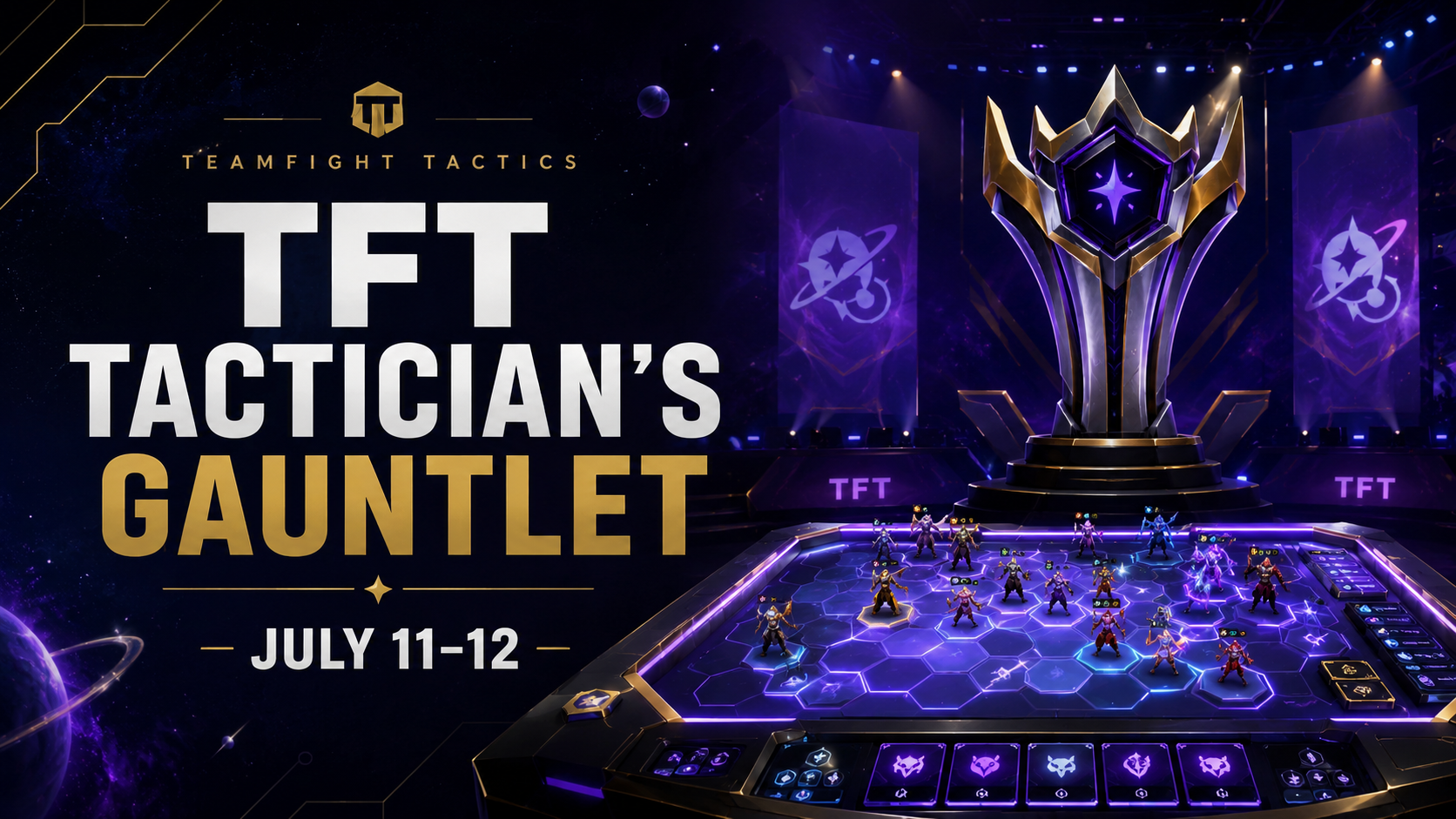
TFT Tactician’s Gauntlet Runs July 11–12
Test Your Skills in the TFT Tactician's Gauntlet Tournament This Weekend!

TFT Set 17: Space Gods — The Complete Unit & Trait Guide
Teamfight Tactics Set 17, Space Gods, is officially shaking up the convergence. Check out a preview now!

TFT Patch 16.4 Breakdown – Meta Shifts, Unit Buffs, Item Changes & Strategy
Take a deep dive into the changes for TFT Patch 16.4 and how it shifts up the meta!
TFT Patch 15.9
TFT Patch 15.9: Final set buffs & Choncc’s Treasure game mode returns on the rift