
- Ranque do mapa
- #2
- Taxa de vitoria no ataque
- 47.9%
- Taxa de vitoria na defesa
- 53.0%
Mapa Split do Valorant
- Partidas
- 64.555
- Taxa de jogo
- 14.1%
- Regiao
- Todas as regioes
- Ranque
- Todos os ranques
- Plataforma
- Todas as plataformas
- Modo
- Competitive
- Ultima atualizacao
- 8 de out. de 2026 UTC
- Metodologia
- Metodologia de Dados
- Autor
- Dakota Chinnick
Split favorece o defesa: 47.9% de vitórias atacando contra 53.0% defendendo, em 64.555 partidas competitivas. Vantagem de lado, callouts e os agentes e armas que mais rendem aqui.
- Sites da spike
- A / B
- Taxa de vitoria no ataque
- 47.9%
- Taxa de vitoria na defesa
- 53.0%
- Melhor agente
- Neon · 54.7%
- Taxa de jogo no competitivo
- 14.1%Posição #2 de 12 mapas monitorados
- Partidas analisadas
- 64.555
Callouts e layout de Split
Split tem 2 sites de bomba (A, B) e 24 callouts nomeados. Passe o cursor por um ponto para associá-lo ao nome — a lista completa fica abaixo do mapa. Em 64.555 partidas registradas, o lado defesa vence 53.0% dos rounds aqui.
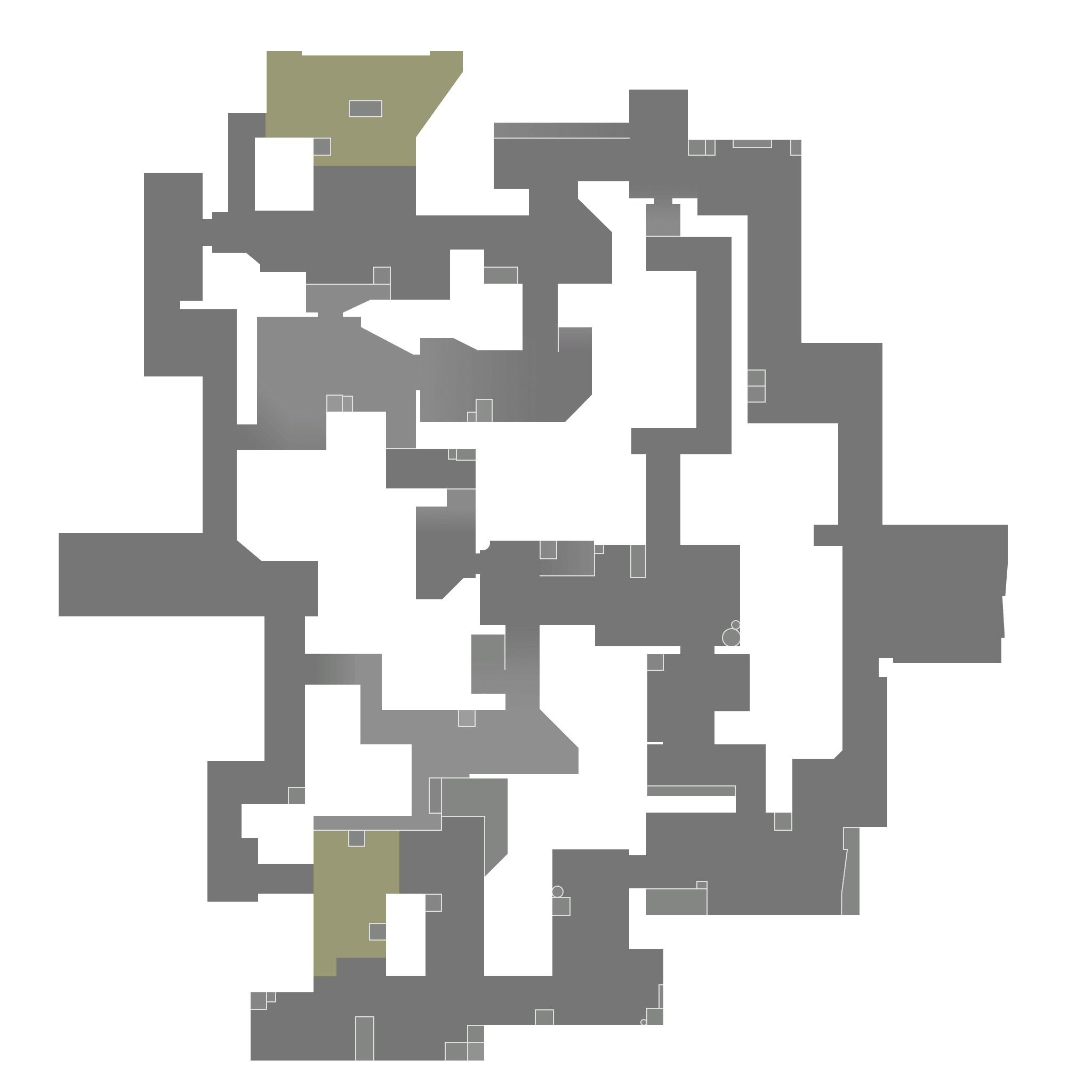 BackLobbyMainRaftersRampsScreensSewerSiteTowerSpawnAlleyBackLinkGarageRaftersSiteStairsTowerLobbySpawnBottomMailTopVent
Lista de callouts de Split
A
B
Mid
Attacker Side
Defender Side
Layout e mecânicas de Split
Split é um mapa apertado de dois sites com cordas verticais para ambos. Seus gargalos estreitos premiam defensores que seguram com utilidade, e por isso ele historicamente é um dos mapas mais favoráveis à defesa.
Classificação do mapa Split
Split é um mapa de tier A, presente em 14.1% das partidas. Pende para o defesa: 47.9% no ataque contra 53.0% na defesa, 5.1 pontos de diferença.
Estatísticas detalhadas de Split
Em Split a defesa vence 53.0% dos rounds contra 47.9% do ataque — 5.1 pontos de vantagem em 64.555 partidas competitivas. Atacando, jogue o pós-plant em vez de forçar a tomada de bomb.
Em 64.555 partidas competitivas em Split, Neon tem a maior taxa de vitória com 54.7%, seguido de Fade com 53.2% e Sage com 52.9%. Os três somam uma média de 53.6%. Eles se dividem entre Duelista, Iniciador, Sentinela, então nenhuma função domina Split.


Taxas de vitória por arma em Split, em 64.555 partidas competitivas: a Shorty com 64.8%, a Outlaw com 60.9% e a Odin com 60.7%, média de 62.1%. Armas baratas costumam aparecer no topo porque são compradas em rounds em que o time já está à frente, então leia esses números junto com o tipo de compra, não isoladamente. Entre os dois rifles principais, em Split a Phantom sai na frente com 53.2% contra 50.9% da Vandal.


Guia estratégico para Split
Estratégia de ataque
Os defensores levam 53.0% dos rounds em Split, então atacar é a metade mais difícil. Troque tempo por abates e jogue o pós-plant em vez de forçar um execute. As maiores taxas de vitória aqui são de Neon ou Fade.
Estratégia de defesa
Os defensores vencem 53.0% dos rounds em Split. Ancore os dois bombs e obrigue os atacantes a gastar utilidade antes de ceder espaço.
Dicas de economia
Como Split favorece a defesa, os defensores podem comprar de forma consistente enquanto os atacantes precisam prever a utilidade extra que uma tomada de bomb custa.
Saiba onde cada luta acontece
Explore todos os mapas de Valorant com callouts interativos e mapas de calor de abates criados a partir de partidas reais gravadas — aprenda as zonas quentes e as posições de poder antes de entrar nelas.
- Mapas de calor de abates de partidas reais
- Mapas interativos com callouts
- Filtre por elo, região e modo

Como Split se Compara a Outros Mapas
Como Split se compara aos mapas de equilíbrio de lados mais parecido.


Help us maintain accuracy! If you notice incorrect stats, missing data, or any issues, your feedback directly improves the quality of our data for the entire community.
FAQ do mapa Split - outubro de 2026
Quais são os callouts de Split?
Split tem 24 callouts nomeados distribuídos pelos seus 2 sites de bomba (A, B). Alguns comuns são Back, Lobby, Main, Rafters, Ramps, Screens. O mapa acima marca cada callout na posição real dentro do jogo, e a lista completa aparece agrupada por site abaixo.
Split é um mapa de ataque ou defesa no Valorant?
Split favorece a defesa com uma taxa de vitória de ataque de 47.9%. Os defensores têm vantagem aqui, então foque em estratégias sólidas de retake no ataque e trave os sites na defesa.
Qual é a taxa de jogo de Split no Valorant competitivo?
Split tem 14.1% de taxa de jogo no competitivo de Valorant, o que a coloca em #2 entre os 12 mapas para os quais o MetaBot tem dados competitivos. Os números vêm de 64.555 partidas competitivas analisadas em todos os elos e regiões.
Quantos rounds dura uma partida típica em Split?
A partida média em Split dura 21.2 rounds, levando aproximadamente 32 minutos para completar. Esta média considera tanto vitórias dominantes quanto jogos acirrados em overtime.
Quais são os melhores agentes para Split?
Os agentes com melhor desempenho em Split são Neon (54.7%), Fade (53.2%), Sage (52.9%). Esses agentes se destacam neste mapa devido às suas habilidades complementando o layout único de Split e distâncias de combate.
O que torna Split único no Valorant?
Split apresenta um layout distinto que requer estratégias específicas. Com uma taxa de vitória de ataque de 47.9% e taxa de jogo de 14.1%, dominar os callouts únicos, ângulos e tempos de rotação deste mapa é a chave para o sucesso consistente.
Como posso melhorar em Split?
Para melhorar em Split: 1) Aprenda os agentes Neon, Fade, Sage que se destacam aqui, 2) Estude estratégias de ataque vs defesa para a meta com 47.9% de taxa de vitória de ataque, 3) Pratique ângulos e rotações comuns, 4) Assista jogos profissionais para estratégias avançadas.