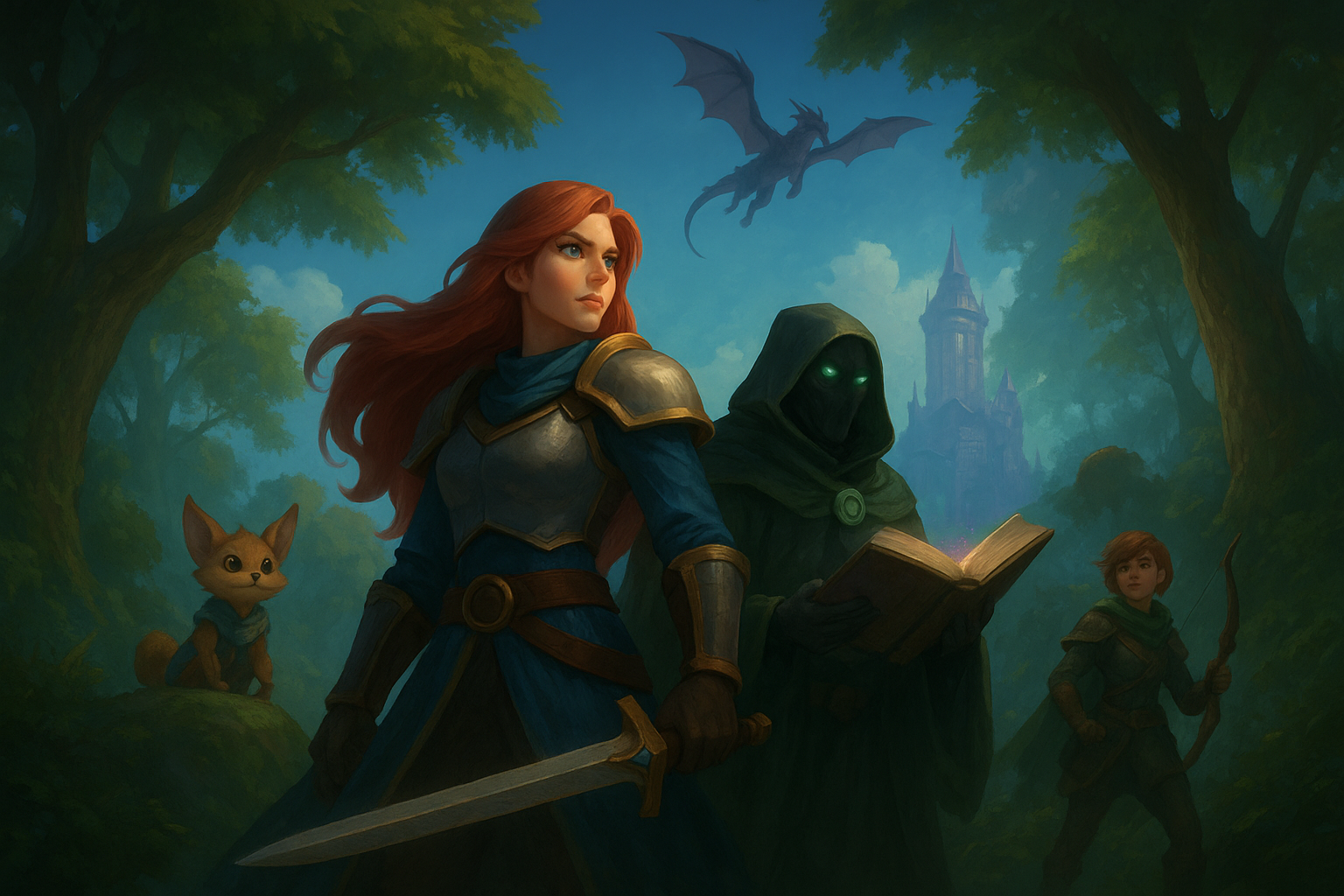
New Set: Lore & Legends
With the launch of Set 16: Lore & Legends, Riot Games takes Teamfight Tactics into a fresh thematic direction rooted in worldbuilding, narrative identity, and dynamic battlefield shifts. While earlier sets added their own mechanical layers — augments, portals, region traits — Lore & Legends is the first to fully integrate lore as a functional competitive mechanic. The result is a set that feels simultaneously strategic, whimsical, and highly replayable.
This set introduces three core systems: Realms, Relics, and Legends. Together, they reshape how players craft boards, manage tempo, and adapt to mid-fight conditions. Whether you're a returning TFT player or a seasoned grinder prepping for the next ladder climb, Set 16 offers one of the most varied opening metas in years.
The Heart of the Set: Realms
The defining feature of Lore & Legends is the Realm System — an evolving battlefield state that changes each stage. Rather than static arenas, players are transported to lore-inspired Realms such as:
- Demacia’s Grand Archive – defensive bonuses and shield-oriented item drops
- Noxian Warfield – increased early damage, rewarding aggression
- Ionia’s Spirit Canopy – movement-oriented bonuses, supporting assassin & skirmisher comps
- Shadow Isles Crypt – risky but rewarding omni-vamp bonuses for late-game carries
Each Realm influences not only strategy, but also pacing. Some players will high-roll early in damage-boosting Realms, while others may lean into safe eco setups when a defensive Realm appears in stage two. The real challenge — and the skill expression — comes from recognizing when a Realm amplifies your comp or when it betrays it.
The unpredictability isn’t pure chaos; many Realms are beneficial to multiple playstyles and add a subtle layer of scanning the lobby. Players who can quickly evaluate: “Which comps benefit most from this Realm? Which players will spike early vs late?” will rise fast on the ladder.
Relics: New Layer of Long-Term Planning
Relics are persistent, reusable power items awarded at certain stages or chosen as a starting boon. They function similarly to Augments but differ in two important ways:
- Relics are physical items that sit in a dedicated slot next to your Tactician.
- Relics persist for the rest of the game and sometimes influence shop odds or Realm behavior.
Some example Relics include:
- Chronicle Quill: +1 XP every third round, pushing earlier level spikes.
- The Noxian Banner: bonus stacking AD when you win consecutive rounds.
- Spirit Lantern: summons a temporary spirit each combat that mimics your lowest-HP unit.
- Yordle Storybook: a rare Relic that generates a free Yordle unit each stage, enabling quirky vertical trait builds.
Relics reshape the fundamental way you think about comp identity. Instead of building around items or champion pools, many players build around Relic synergies — an XP Relic may encourage a fast-9 strategy, while a combat-focused Relic can support tempo-driven mid-game roll-downs.
The unique twist is that some Realms interact with Relics. For example, the Grand Archive Realm doubles the passive effects of knowledge-based Relics, while the Warfield Realm amplifies damage-oriented ones. This snowballing interplay ensures that no two games feel identical.
Legends: Narrative-Driven Traits
Champions in Lore & Legends belong to Legend Traits that define their role within Runeterra’s storytelling canon. Unlike simple stat modifiers, Legend Traits unlock additional abilities or board-wide mechanics when activated.
Examples include:
- The Vanguard of Demacia – grants stacking armor and a brief invulnerability pulse to frontliners.
- Shadows of the Isles – enables spectral duplication on takedown, similar to a lighter version of the K/DA Echo effect.
- The Ionia Ritualists – empowers casters based on mana cycles, allowing for spell-casting crescendos.
- Noxian Conquest – increases attack damage as your team loses units, rewarding risky all-in boards.
Legends provide a thematic backbone without locking meta diversity. Riot has intentionally designed most Legend breakpoints to be reachable with several splashable units, making flex play far more viable than in sets dominated by 6-unit verticals.
Meta Expectations Going Into Week One
Early meta impressions from high-level PBE players highlight three major trends:
- Realm-aligned comps dominate early play — Players often lean into whatever the current Realm favors, whether that’s tank stacking or aggressive early boards.
- Relic-driven strategies define spike timing — Certain Relics push fast leveling or early roll-downs, encouraging centered power curves.
- Legend traits encourage broader comp variety — Since Legends synergize loosely, many hybrid comps are not only viable but strong.
One of the standout early comps is Spectral Duelists, a blend of aggressive frontliners and shadow-empowered assassins that thrive in damage-boosting Realms. Another emerging favorite is the Archivist Casters comp, which becomes especially potent when amplified by mana or knowledge Realms.
Design Philosophy: Narrative Meets Competitive Depth
Riot’s stated design direction for Lore & Legends is “narrative mechanics that enhance competitive play without forcing linear outcomes.” The balance team wants every game to feel like a miniature story — one shaped by Realms, player choices, and the evolving matchup landscape.
The set succeeds in creating dynamic variance while keeping the skill expression high. Realm shifts reward adaptability, Relics reward foresight, and Legends reward board construction that’s both thematic and mechanical.
Tips for Climbing Early
- Adapt early to the current Realm: Don’t force comps until you see how Realms line up.
- Choose a Relic that fits your preferred playstyle: Some players thrive on econ, others on tempo.
- Scout aggressively: Realm-buffed comps can spike unexpectedly and steal streaks.
- Don’t commit too early to Legends: Many are strong even at low breakpoints; flex first, commit later.
More TFT News
TFT Patch 16.4 Breakdown – Meta Shifts, Unit Buffs, Item Changes & Strategy
Take a deep dive into the changes for TFT Patch 16.4 and how it shifts up the meta!
TFT Patch 15.9
TFT Patch 15.9: Final set buffs & Choncc’s Treasure game mode returns on the rift
TFT Patch 15.8
TFT Patch 15.8: A mix of conservative updates balancing out the set 15 meta
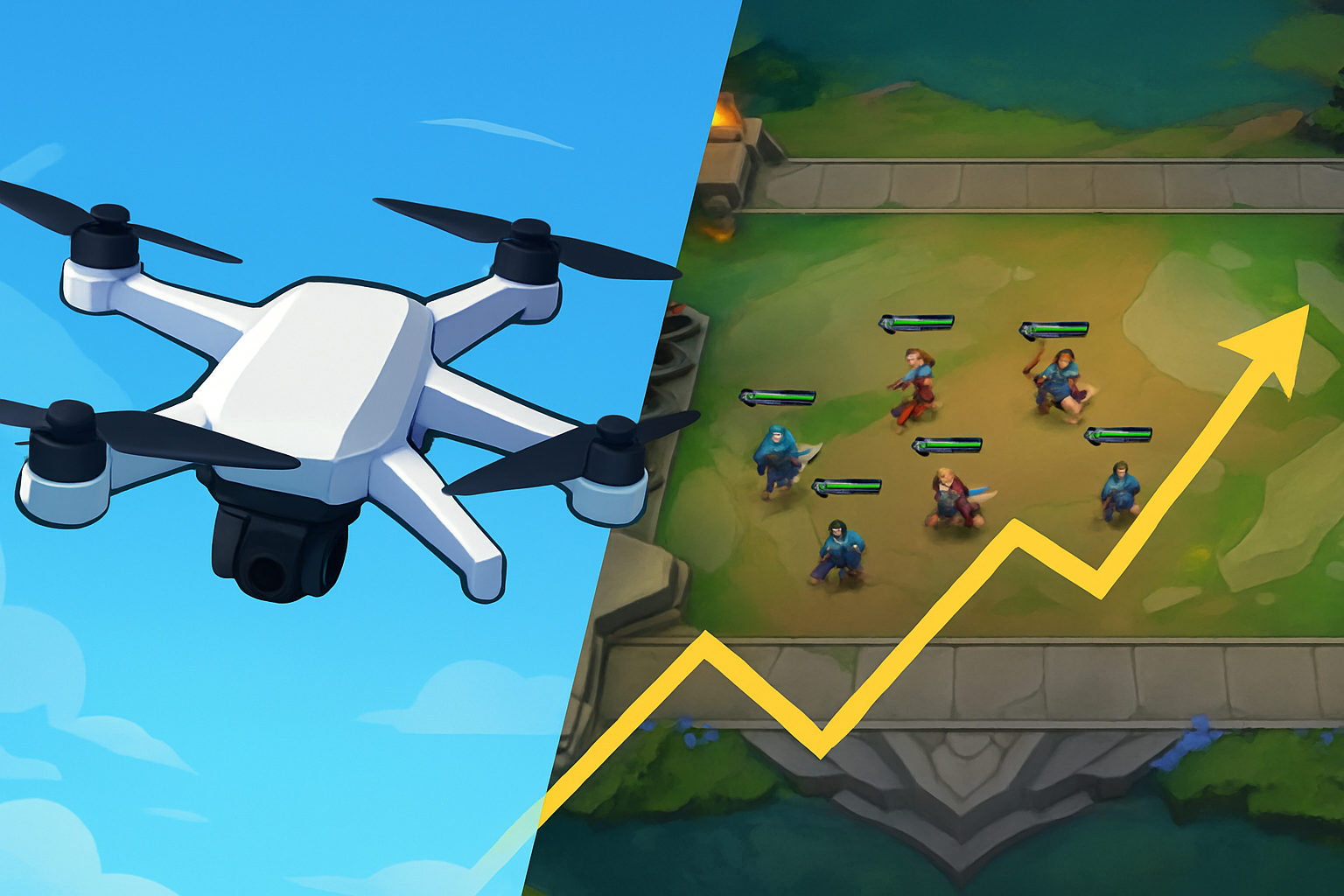
What Teamfight Tactics Can Learn from Autonomous Play
One of the most useful metaphors for understanding modern TFT gameplay doesn’t come from another auto battler — it comes from the world of drones.