Primordianer / Raufbold / Herausforderer / Schurke / N.O.V.A. / Marodeur Comp
TFT Komposition
Beste Primordianer / Raufbold / Herausforderer / Schurke / N.O.V.A. / Marodeur Comp mit Kindred in TFT Set 17.


This comp averages a 4.00 placement with a 60.8% top 4 rate and a 9.6% first place rate across 148,134 ranked games. A 0.9% pick rate makes this a less contested composition.







- Rek'Sai

- Briar

 1 Kosten
Reroll Lvl: Level 4
- Bel'Veth

- Akali

2 KostenReroll Lvl: Level 6
- Rhaast

- Kai'Sa

3 KostenReroll Lvl: Level 7
- Kindred

- Tahm Kench

4 KostenReroll Lvl: Level 10
Strategie-Leitfaden


Stufen-Leitfaden
Zu verstehen, wann man leveln, würfeln und wechseln sollte, ist entscheidend für Ihren Erfolg mit Raufbold / Herausforderer / Schurke / N.O.V.A. / Marodeur / Primordianer / Erlöser / Orakel. Dieser Leitfaden zeigt das optimale Spielmuster für jede Spielphase.
Konzentrieren Sie sich auf den Wirtschaftsaufbau während Sie Rek'Sai and Bel'Veth and Briar Kopien sammeln. Spielen Sie Ihr stärkstes Brett mit allen 2-Stern-Einheiten, die Sie natürlich treffen. Suchen Sie nach Rek'Sai and Briar als frühe Frontline. Streben Sie 30-40 Gold bis zum Stage 2 Karussell an.
Stage 3 ist Ihr wichtiger Entscheidungspunkt. Wenn Sie bis Stage 3-2 5+ Kopien von Rek'Sai gesammelt haben, verpflichten Sie sich zur Reroll-Strategie. Leveln Sie auf 5 bei Stage 3-2 und beginnen Sie mit Slow Rolling. Auf Level 5 haben 1-Kosten-Einheiten die höchste Erscheinungsrate.
Bis Stage 4 sollten Sie kurz davor sein oder bereits Ihren 3-Stern Rek'Sai getroffen haben. Sobald Sie Ihren Hauptcarry auf 3 Sterne haben, hören Sie auf zu würfeln und beginnen Sie zu leveln. Wenn Ressourcen es erlauben, würfeln Sie weiter für 3-Stern Bel'Veth and Briar. Wechseln Sie zu Leveln bei Stage 4-5 oder 5-1.
Ihr 3-Stern-Carry sollte online sein und massiven Schaden verursachen. Konzentrieren Sie sich darauf, Ihre verbleibenden hochkostigen Einheiten hinzuzufügen und die optimale Positionierung gegen die verbleibenden Spieler zu finden. Scouten Sie die verbleibenden Spieler und positionieren Sie sich, um deren Carries zu kontern.
Dies ist eine hoch Wirtschaftsinvestition, die diszipliniertes Goldmanagement während der Reroll-Phase erfordert. Langsam über 50 Gold würfeln, bis Sie Ihre 3-Sterne-Ziele erreichen.
Vollständiger Leitfaden
Stufe 2: Frühe Spielphase
Konzentrieren Sie sich auf den Wirtschaftsaufbau während Sie Rek'Sai and Bel'Veth and Briar Kopien sammeln. Spielen Sie Ihr stärkstes Brett mit allen 2-Stern-Einheiten, die Sie natürlich treffen. Suchen Sie nach Rek'Sai and Briar als frühe Frontline. Streben Sie 30-40 Gold bis zum Stage 2 Karussell an.
Stufe 3: Übergang
Stage 3 ist Ihr wichtiger Entscheidungspunkt. Wenn Sie bis Stage 3-2 5+ Kopien von Rek'Sai gesammelt haben, verpflichten Sie sich zur Reroll-Strategie. Leveln Sie auf 5 bei Stage 3-2 und beginnen Sie mit Slow Rolling. Auf Level 5 haben 1-Kosten-Einheiten die höchste Erscheinungsrate.
Stufe 4: Stärkephase
Bis Stage 4 sollten Sie kurz davor sein oder bereits Ihren 3-Stern Rek'Sai getroffen haben. Sobald Sie Ihren Hauptcarry auf 3 Sterne haben, hören Sie auf zu würfeln und beginnen Sie zu leveln. Wenn Ressourcen es erlauben, würfeln Sie weiter für 3-Stern Bel'Veth and Briar. Wechseln Sie zu Leveln bei Stage 4-5 oder 5-1.
Stufe 5+: Späte Spielphase
Ihr 3-Stern-Carry sollte online sein und massiven Schaden verursachen. Konzentrieren Sie sich darauf, Ihre verbleibenden hochkostigen Einheiten hinzuzufügen und die optimale Positionierung gegen die verbleibenden Spieler zu finden. Scouten Sie die verbleibenden Spieler und positionieren Sie sich, um deren Carries zu kontern.
Spieler-Schadensanalyse
Mehrere Einheiten überleben und tragen zum Spielerschaden bei. Das macht die Komposition widerstandsfähig - eine Einheit zu verlieren lähmt deinen Schaden nicht.
Wichtige Erkenntnisse
Vollständige Aufschlüsselung
Top-Überlebender:: Rhaast trägt 14.0% des gesamten Spielerschadens bei. Diese Einheit überlebt zuverlässig, um Spielerschaden zu verursachen, obwohl andere Einheiten auch bedeutend beitragen.
Andere wichtige Überlebende:: Kindred (13.6%), Tahm Kench (12.8%). Diese Einheiten überleben Kämpfe ebenfalls konstant und tragen zu deinem Spielerschaden bei.
Positionierungstipp:: Dein Schaden ist auf mehrere Einheiten verteilt, sodass du weniger auf das Überleben einer einzelnen Einheit angewiesen bist. Das gibt dir mehr Flexibilität bei der Positionierung.
When to Play Raufbold / Herausforderer / Schurke / N.O.V.A. / Marodeur / Primordianer / Erlöser / Orakel
Strengths
- High 60.8% win rate makes this a top-tier composition
- Excellent 4.00 average placement for reliable top 4
- Rek'Sai and Bel'Veth and Briar can be 3-starred for power spikes
- Strong trait synergies across multiple activated traits
Weaknesses
- Requires specific items on carries to maximize potential
- Can struggle if key units are contested
Strategic Tips
Wirtschaftsstrategie
Focus on 3-starring Rek'Sai for a 67.1% win rate power spike.
Itemisierung
Prioritize items for Kindred. Check the Top Items section for optimal builds.
Positionierung
Place Tahm Kench and Rhaast in the frontline to protect Kindred in the backline. Use the positioning board above as a guide.
Help us maintain accuracy! If you notice incorrect stats, missing data, or any issues, your feedback directly improves the quality of our data for the entire community.
S Raufbold / Herausforderer / Schurke / N.O.V.A. / Marodeur / Primordianer / Erlöser / Orakel TFT Komp - Häufig gestellte Fragen
Welche Traits verwendet dieses Comp?
Diese Zusammenstellung verwendet folgende Traits: Raufbold, Herausforderer, Schurke, N.O.V.A., Marodeur, Primordianer, Erlöser, Orakel. Der Haupt-Trait ist Primordian, der auf 3 Einheiten aktiv ist.
Was sind die Carries dieses TFT Comps?
Was ist die beste Positionierung für diese Zusammenstellung?
Platziere deine Carries wie Kindred in der Backline und deine Tanks wie Tahm Kench and Rhaast in der Frontline, um Schaden zu absorbieren. Überprüfe das Positionierungsbrett oben für die genaue Platzierung.
Ist diese Zusammenstellung in der aktuellen Meta gut?
Diese Zusammenstellung hat eine Siegrate von 60.82% und eine durchschnittliche Platzierung von 4.00, was sie zu einem starken Kandidaten in der aktuellen Meta macht.
Welche Item-Builds verwendet Raufbold / Herausforderer / Schurke / N.O.V.A. / Marodeur / Primordianer / Erlöser / Orakel?
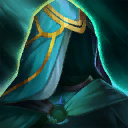
Raufbold / Herausforderer / Schurke / N.O.V.A. / Marodeur / Primordianer / Erlöser / Orakel performt am besten mit diesen Item-Builds: Rek'Sai mit Schwur des Beschützers, Sonnenfeuer-Umhang, Abendschleier (68.75% Siegrate, +7.93% Unterschied zum Comp-Durchschnitt); Briar mit Blutdürster, Steraks Pegel, Entschlossenheit des Titanen (64.29% Siegrate, +3.46% Unterschied zum Comp-Durchschnitt); Bel'Veth mit Riesenschlächter, Quecksilber, Zorn des Kraken (69.07% Siegrate, +8.25% Unterschied zum Comp-Durchschnitt).
Ist Raufbold / Herausforderer / Schurke / N.O.V.A. / Marodeur / Primordianer / Erlöser / Orakel in TFT Set 17 umkämpft?
Raufbold / Herausforderer / Schurke / N.O.V.A. / Marodeur / Primordianer / Erlöser / Orakel ist relativ unumkämpft mit nur einer 0.9% Pickrate, was es zu einer guten Wahl macht, wenn du vermeiden willst, um Einheiten zu kämpfen. Du kannst oft deine Schlüsselchampions wie Kindred ohne viel Konkurrenz treffen.
Was ist die Siegbedingung für Raufbold / Herausforderer / Schurke / N.O.V.A. / Marodeur / Primordianer / Erlöser / Orakel?
The win condition for Raufbold / Herausforderer / Schurke / N.O.V.A. / Marodeur / Primordianer / Erlöser / Orakel is "1-Kosten-Reroll". Dies ist eine Reroll-Zusammenstellung, die sich auf das 3-Sternen von Rek'Sai and Bel'Veth and Briar als primären Carrys konzentriert. Focus on 3-starring Rek'Sai which has a 67.1% win rate when upgraded.
Sollte ich mit Raufbold / Herausforderer / Schurke / N.O.V.A. / Marodeur / Primordianer / Erlöser / Orakel rerolling oder leveln?
Yes, Raufbold / Herausforderer / Schurke / N.O.V.A. / Marodeur / Primordianer / Erlöser / Orakel is a reroll composition. You should slow roll at level 5 where 1-cost units have the highest appearance rate. Your primary reroll targets are Rek'Sai (67.1% win rate at 3-star) and Bel'Veth (67.1% win rate at 3-star) and Briar (66.5% win rate at 3-star). Save gold above 50 and roll excess gold each round until you hit your 3-star units.
Wie viel Gold kostet es, Raufbold / Herausforderer / Schurke / N.O.V.A. / Marodeur / Primordianer / Erlöser / Orakel zu bauen?
Raufbold / Herausforderer / Schurke / N.O.V.A. / Marodeur / Primordianer / Erlöser / Orakel ist eine hohe kosten Zusammenstellung, die ungefähr 84 Gold Investition zum Vervollständigen benötigt. Priorisiere früh Wirtschaft, halte 50+ Gold Zinsen und vermeide das Rollen, bis du eine starke wirtschaftliche Grundlage hast.
Was sind die besten Pivot-Optionen für Raufbold / Herausforderer / Schurke / N.O.V.A. / Marodeur / Primordianer / Erlöser / Orakel?
Raufbold / Herausforderer / Schurke / N.O.V.A. / Marodeur / Primordianer / Erlöser / Orakel ist mäßig flexibel mit 3 Umschwenk-Optionen verfügbar. Die besten Pivot-Optionen teilen Schlüsseleinheiten wie Kindred and Tahm Kench. Wenn du umkämpft bist, schaue dir ähnliche Zusammenstellungen an, die diese gleichen Champions mit anderen unterstützenden Einheiten verwenden.
Wann sollte ich von Raufbold / Herausforderer / Schurke / N.O.V.A. / Marodeur / Primordianer / Erlöser / Orakel wechseln?
You should consider pivoting away from Raufbold / Herausforderer / Schurke / N.O.V.A. / Marodeur / Primordianer / Erlöser / Orakel if: (1) you see 2+ players contesting your key units in the early game, (2) you're not hitting your core champions by stage 3-2, or (3) you find stronger units for an alternative comp. The best pivot is Herausforderer / Schurke with a 92.0% win rate. Scout your lobby at stage 2-1 and 3-2 to decide. Check the Pivot Suggestions section above for 3 alternative compositions.