
- Rango de mapa
- #12
- Tasa de victoria en ataque
- 48.3%
- Tasa de victoria en defensa
- 51.6%
Mapa Fracture de Valorant
- Partidas
- 18.912
- Tasa de juego
- 4.1%
- Region
- Todas las regiones
- Rango
- Todos los rangos
- Plataforma
- Todas las plataformas
- Modo
- Competitive
- Ultima actualizacion
- 12 oct 2026 UTC
- Metodología
- Metodología de Datos
- Autor
- Dakota Chinnick
Fracture favorece al defensa: 48.3% de victorias atacando frente a 51.6% defendiendo, en 18.912 partidas competitivas. Ventaja de lado, callouts y los agentes y armas que mejor rinden aquí.
- Sitios de bomba
- A / B
- Tasa de victoria en ataque
- 48.3%
- Tasa de victoria en defensa
- 51.6%
- Mejor agente
- Phoenix · 56.6%
- Tasa de juego en competitivo
- 4.1%Puesto #12 de 12 mapas registrados
- Partidas analizadas
- 18.912
Callouts y diseño de Fracture
Fracture tiene 2 sitios de bomba (A, B) y 22 callouts con nombre. Pasa el cursor por un punto para asociarlo a su nombre: la lista completa está debajo del mapa. En 18.912 partidas registradas, el lado defensa gana el 51.6% de las rondas aquí.
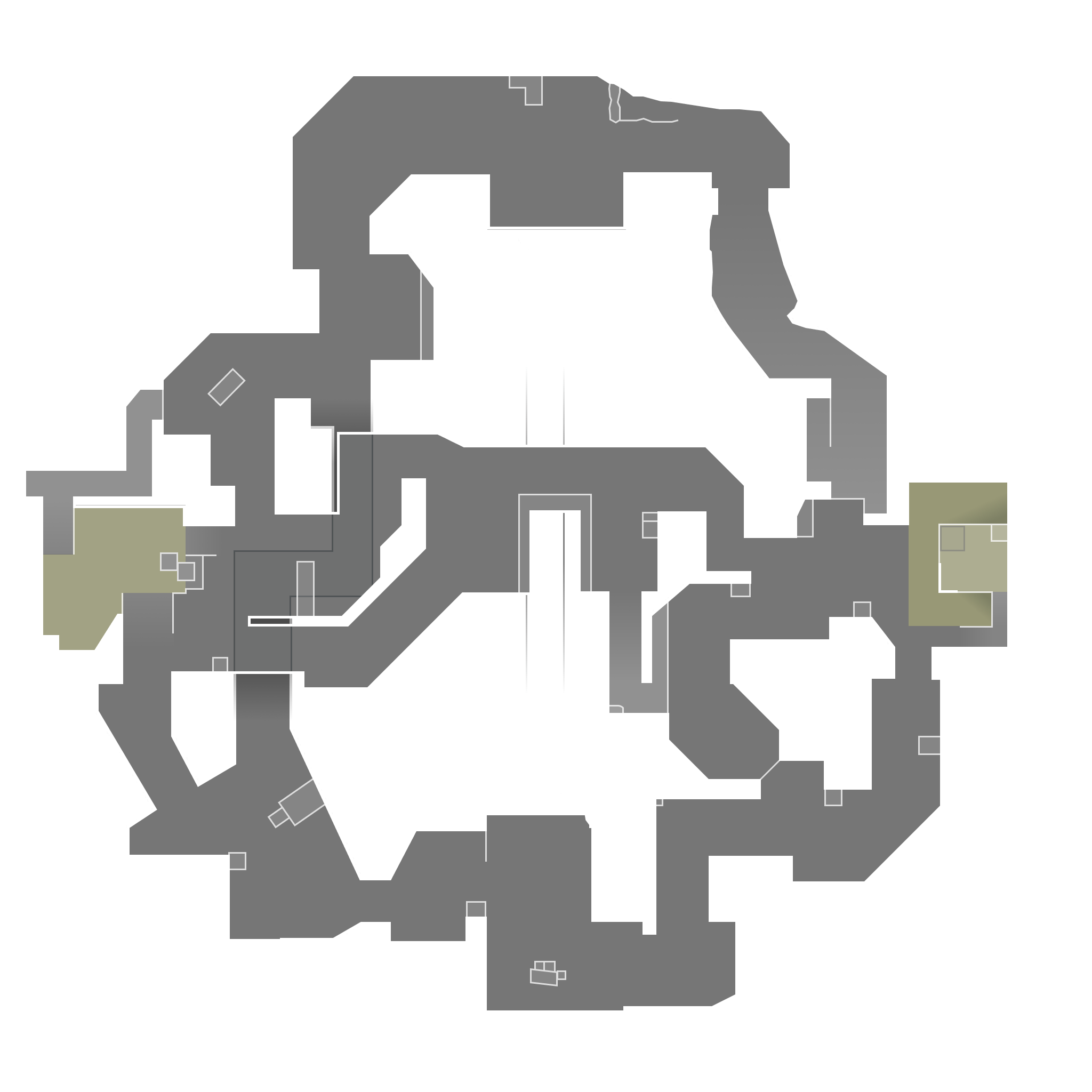 BridgeBenchArcadeTowerSiteGeneratorLinkCanteenLinkSpawnMainTreeTunnelHallDoorRopeMainSiteDropDishGateSpawn
Lista de callouts de Fracture
A
B
Attacker Side
Defender Side
Diseño y mecánicas de Fracture
Fracture es el único mapa donde los atacantes aparecen a ambos lados de los defensores. Las tirolinas conectan los spawns atacantes, de modo que los defensores pueden ser presionados desde dos direcciones a la vez y mantener un solo ángulo rara vez basta.
Clasificación del mapa Fracture
Fracture es un mapa de tier C y aparece en el 4.1% de las partidas. Se inclina hacia el defensa: 48.3% en ataque frente a 51.6% en defensa.
Estadísticas detalladas de Fracture
En Fracture la defensa gana el 51.6% de las rondas frente al 48.3% del ataque, una ventaja de 3.3 puntos en 18.912 partidas competitivas. Atacando conviene jugar el post-plant en lugar de forzar la entrada.
En 18.912 partidas competitivas en Fracture, Phoenix tiene la mayor tasa de victoria con un 56.6%, seguido de Fade con un 56.0% y Raze con un 52.4%. Los tres promedian un 55.0%. Se reparten entre Duelista, Iniciador, así que en Fracture no domina un solo rol.


Tasas de victoria por arma en Fracture, en 18.912 partidas competitivas: la Shorty con un 63.1%, la Outlaw con un 59.3% y la Odin con un 56.1%, con una media del 59.5%. Las armas baratas suelen aparecer arriba porque se compran en rondas en las que el equipo ya va por delante, así que léelas junto al tipo de compra, no por separado. Entre los dos rifles principales, en Fracture la Phantom va por delante con un 52.1% frente al 49.6% de la Vandal.


Guía estratégica para Fracture
Estrategia de ataque
Los defensores se llevan el 51.6% de las rondas en Fracture, así que atacar es la mitad más difícil. Cambia tiempo por picks y juega el post-plant en lugar de forzar una entrada. Las mayores tasas de victoria aquí son de Phoenix o Fade.
Estrategia de defensa
Los defensores ganan el 51.6% de las rondas en Fracture. Ancla ambos sitios y obliga a los atacantes a gastar utilidad antes de ceder espacio.
Consejos de economía
Como Fracture favorece a la defensa, los defensores pueden comprar de forma constante mientras los atacantes deben presupuestar la utilidad extra que cuesta tomar un sitio.
Descubre dónde ocurre cada pelea
Explora todos los mapas de Valorant con callouts interactivos y mapas de calor de kills creados a partir de partidas reales — aprende las zonas calientes y las posiciones de poder antes de entrar en ellas.
- Mapas de calor de kills de partidas reales
- Mapas interactivos con callouts
- Filtra por rango, región y modo

Cómo se Compara Fracture con Otros Mapas
Cómo se compara Fracture con los mapas de equilibrio de lados más parecido.


Help us maintain accuracy! If you notice incorrect stats, missing data, or any issues, your feedback directly improves the quality of our data for the entire community.
FAQ del mapa Fracture - octubre de 2026
¿Cuáles son los callouts de Fracture?
Fracture tiene 22 callouts con nombre repartidos entre sus 2 sitios de bomba (A, B). Algunos habituales son Bridge, Bench, Arcade, Tower, Site, Generator. El mapa de arriba marca cada callout en su posición real dentro del juego y la lista completa aparece agrupada por sitio debajo.
¿Fracture favorece el ataque o la defensa en Valorant?
Fracture favorece la defensa con una tasa de victoria de ataque del 48.3%. Los defensores tienen la ventaja aquí, así que enfócate en sólidas estrategias de retoma en ataque y asegura los sitios en defensa.
¿Cuál es la tasa de juego de Fracture en Valorant competitivo?
Fracture tiene una tasa de juego del 4.1% en el competitivo de Valorant, lo que la sitúa en el puesto #12 de los 12 mapas de los que MetaBot tiene datos competitivos. Estos datos se basan en 18.912 partidas competitivas analizadas en todos los rangos y regiones.
¿Cuántas rondas dura una partida típica de Fracture?
La partida promedio de Fracture dura 21.2 rondas, tardando aproximadamente 32 minutos en completarse. Este promedio tiene en cuenta tanto victorias dominantes como partidas cerradas con tiempo extra.
¿Cuáles son los mejores agentes para Fracture?
Los agentes con mejor rendimiento en Fracture son Phoenix (56.6%), Fade (56.0%), Raze (52.4%). Estos agentes destacan en este mapa debido a que sus habilidades complementan el diseño único y las distancias de combate de Fracture.
¿Qué hace único a Fracture en Valorant?
Fracture presenta un diseño distintivo que requiere estrategias específicas. Con una tasa de victoria de ataque del 48.3% y una tasa de juego del 4.1%, dominar los callouts únicos, ángulos y tiempos de rotación de este mapa es clave para el éxito constante.
¿Cómo mejoro en Fracture?
Para mejorar en Fracture: 1) Aprende los agentes Phoenix, Fade, Raze que destacan aquí, 2) Estudia las estrategias de ataque vs defensa para la meta del 48.3% de tasa de victoria de ataque, 3) Practica ángulos y rotaciones comunes, 4) Mira partidas profesionales para estrategias avanzadas.