
- Durchschn. Platz
- 3,21
- Top-4-Rate
- 74,8%
- Pickrate
- 1,5%
Baron Nashor TFT Guide · Set 16 · Archiv
 Leere
Leere Kluftgeißel
 7 Kosten
- Set
- 16
- Spiele
- 11.317
- Tier
- Alle Tiers
- Rang
- Alle Ränge
- Zuletzt aktualisiert
- 11. Okt. 2026
- Methodik
- Datenmethodik
- Autor
- Dakota Chinnick
Baron Nashor beendete Set 16 mit Tier S unter den 7-Kosten-Einheiten, mit 74,8% Top 4 und Ø Platz 3,21 aus 11.317 Ranglistenspielen.
- Tier
- Svs. 7-Kosten-Einheiten
- Top-4-Rate
- 74,8%
- Ø Platz
- 3,21
- Rang unter 7-Kosten-Einheiten
- #2 von 6
- Plan
- Fast 9
- Spiele
- 11.317
Ist Baron Nashor gut in TFT Set 16?
Baron Nashor beendete Set 16 mit Tier S unter den 7-Kosten-Einheiten, mit 74,8% Top 4 und Ø Platz 3,21 aus 11.317 Ranglistenspielen. Nach Ø Platzierung liegt der Champion auf #2 von 6 7-Kosten-Einheiten – vor 80% davon. Als 5-Kosten-Einheit kommt der Champion meist auf Level 9 aufs Board und erreicht selten 3 Sterne (3,4% der Spiele).
Ø Platzierung im Vergleich zu den anderen 7-Kosten-Einheiten
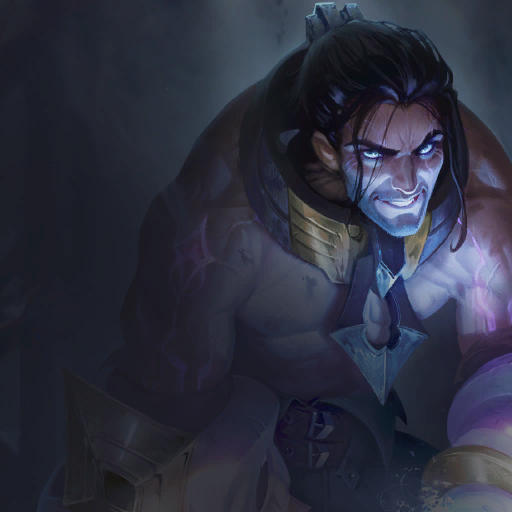 Sylas
Sylas  Baron Nashor
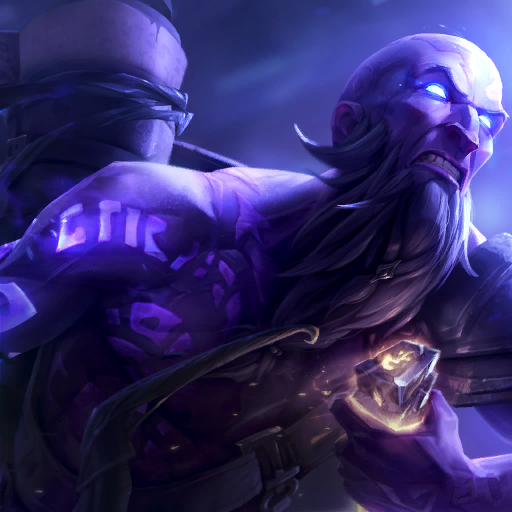 Ryze
Ryze 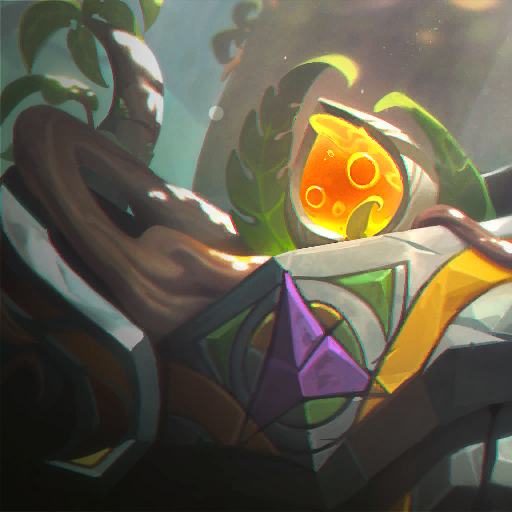 Brock
Brock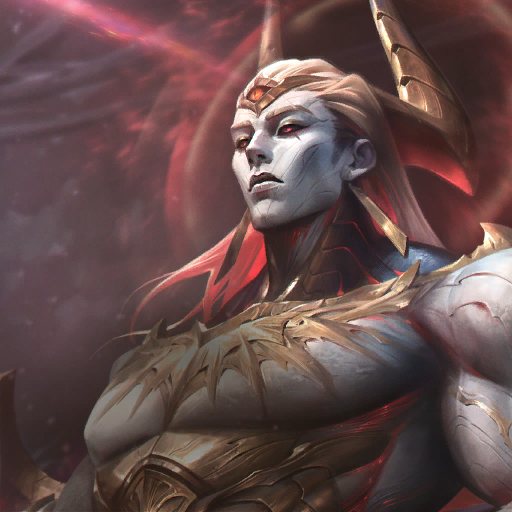 Zaahen
 Aurelion Sol
Niedriger ist besser. Längerer Balken = bessere Ø Platzierung; Baron Nashor ist hervorgehoben. Einheiten mit weniger als 100 Spielen sind ausgeblendet.
Baron Nashor Fähigkeit: Zorn der Leere
Solange er sich im Leerenspalt aufhält, lässt er alle 3/3/0 Sekunden eine Tentakel unter einem zufälligen Gegner entstehen, die ihn für 2 Sekunden in die Luft schleudert.
 +30
+30 ) +30)
Fähigkeitswerte nach Sternstufe
| Wert | ★ | ★★ | ★★★ |
|---|---|---|---|
| AP Damage | 30,00 | 45,00 | 500 |
| AD Damage | 250 | 375 | 20.000 |
| Acid Percent Damage | 0,40 | 0,45 | 0,50 |
| Tentacle Refresh Seconds | 3,00 | 3,00 | 0,25 |
Baron Nashor Fähigkeitsrechner
Wähle eine Sternstufe und die Bonus-Fähigkeitsstärke (oder den Angriffsschaden), die deine Items Baron Nashor geben.
Sternstufe| Basis | Mit Bonus | |
|---|---|---|
| AP Damage | 45 | 45 |
| AD Damage | 375 | 375 |
| Acid Percent Damage | 0,5 | 0,5 |
| Tentacle Refresh Seconds | 3 | 3 |
Feste Schadens-, Heilungs- und Schildwerte skalieren mit Bonus-AP (bzw. AD bei physischen Fähigkeiten); Verhältnisse und Dauern ändern sich nicht.
Baron Nashor Werte nach Sternstufe
Baron Nashor startet auf 1 Stern mit 3.000 Leben und 120 Angriffsschaden. Jeder Stern multipliziert Leben und Angriffsschaden mit 1,8, ein 3-Sterne-Baron Nashor hat also 9.720 Leben und 389 Angriffsschaden.
| Attribut | ★ | ★★ | ★★★ |
|---|---|---|---|
| Leben | 3.000 | 5.400 | 9.720 |
| Angriffsschaden | 120 | 216 | 389 |
| Angriffs-DPS | 60,0 | 108,0 | 194,5 |
- Rüstung
- 85
- Magieresistenz
- 85
- Angriffstempo
- 0,50
- Reichweite
- 2 Felder
- Mana (Start / Max.)
- 0 / 50
- Krit-Chance
- 25%
Basiswerte vor Items, Eigenschaften und Augments. Angriffs-DPS = Angriffsschaden × Angriffstempo.
Beste Items für Baron Nashor in Set 16
Die BiS-Items für Baron Nashor in Set 16 sind Blutdürster, Klinge der Unendlichkeit und Steraks Pegel: die fertigen Items, die Spieler tatsächlich auf Baron Nashor bauen und die am zuverlässigsten Top 4 landen.
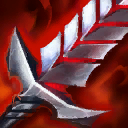
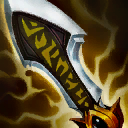
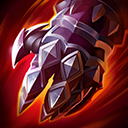
Meistgespielter kompletter Build
80,0% Top 4 · Ø Platz 2,84 · 705 Spiele Höchste Top 4: 85,7% aus 168 Spielen
Beste Baron Nashor Comps in Set 16
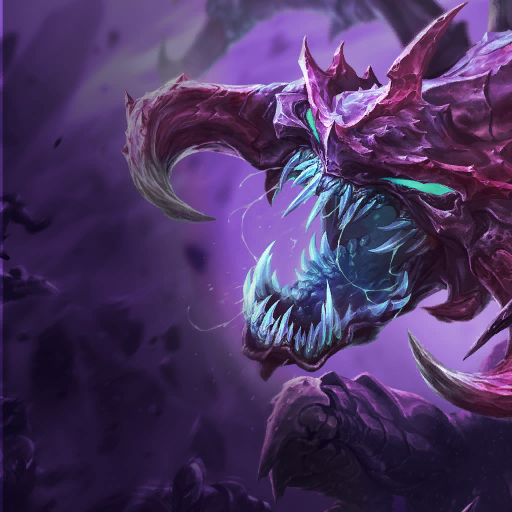
Die beste Baron Nashor Comp ist aktuell Leere Baron Nashor und landet in 80,9% der Spiele in den Top 4 (aus 1.724 Spielen).


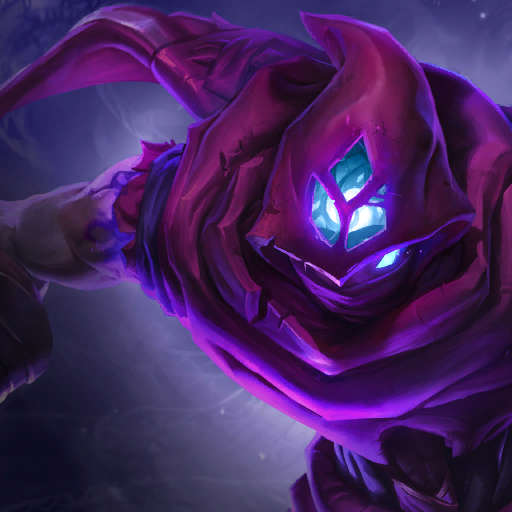
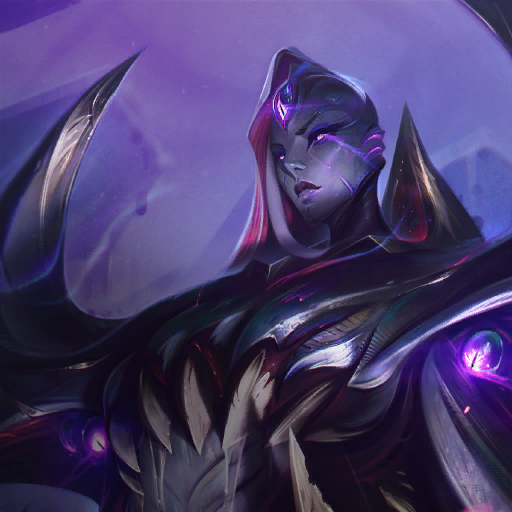




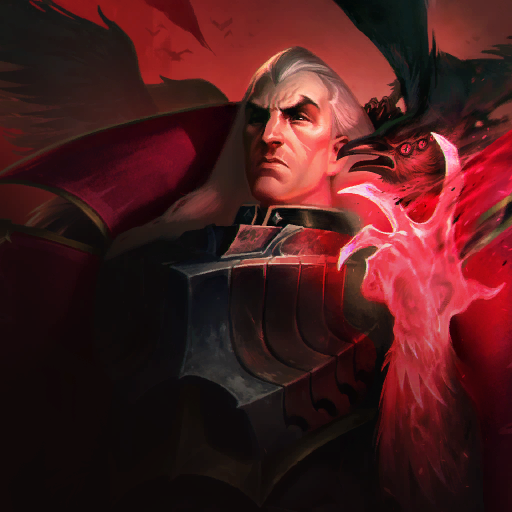
Baron Nashor Eigenschaften in Set 16
Baron Nashor bringt Leere und Kluftgeißel mit. Hervorgehobene Breakpoints sind die, die die meisten Baron Nashor-Boards erreichen.
Baron Nashor Synergien & beste Duos →

Sichere dir den entscheidenden Vorteil
Echtzeit-Overlays, automatisches Match-Tracking und exklusive Tools — alles, was du zum Klettern brauchst, kostenlos auf deinem PC.
- In-Game-Overlays
- Automatisches Match-Tracking
- Exklusive Desktop-Tools
Help us maintain accuracy! If you notice incorrect stats, missing data, or any issues, your feedback directly improves the quality of our data for the entire community.
Baron Nashor TFT FAQ – Set 16
Ist Baron Nashor gut in TFT Set 16?
Baron Nashor beendete Set 16 mit Tier S unter den 7-Kosten-Einheiten, mit 74,8% Top 4 und Ø Platz 3,21 aus 11.317 Ranglistenspielen. Nach Ø Platzierung liegt der Champion auf #2 von 6 7-Kosten-Einheiten – vor 80% davon. Als 5-Kosten-Einheit kommt der Champion meist auf Level 9 aufs Board und erreicht selten 3 Sterne (3,4% der Spiele).
Was sind die besten Items für Baron Nashor in TFT?
Die besten Baron Nashor Items in Set 16 sind Blutdürster, Klinge der Unendlichkeit und Steraks Pegel. Der meistgespielte komplette Build ist Blutdürster, Klinge der Unendlichkeit und Steraks Pegel, mit 80,0% Top 4 aus 705 Spielen.
Was ist die beste Baron Nashor Comp?
Leere Baron Nashor ist die stärkste Baron Nashor Comp in Set 16: 80,9% Top 4 und Ø Platz 2,80 aus 1.724 Spielen.
Ist Baron Nashor eine Reroll-Einheit?
Nein. Baron Nashor ist eine 5-Kosten-Einheit, die du auf Level 9 dazunimmst – nur 3,4% der Spiele enden auf 3 Sternen.
Welche Eigenschaften hat Baron Nashor in Set 16?
In Set 16 ist Baron Nashor eine 7-Kosten-Einheit mit Leere und Kluftgeißel.
Was macht die Fähigkeit von Baron Nashor?
Die Fähigkeit von Baron Nashor ist Zorn der Leere: Passiv: Immun gegen Massenkontrolleffekte. Angriffe verursachen Schaden in einer Linie zum Ziel. Springt zum nächsten Ziel, wenn keine Gegner in Reichweite sind, und schleudert bei der Landung angrenzende Gegner in die Luft. Solange er sich im Leerenspalt aufhält, lässt er alle Sekunden eine Tentakel unter einem zufälligen Gegner entstehen, die ihn für Sekunden in die Luft schleudert. Aktiv: Schlägt zu und lässt in einem Radius von 2 Feldern Stacheln entstehen, die getroffenen Gegnern normalen Schaden zufügen. Speit dann im Verlauf von 3 Sekunden Säurekugeln, die normalen Schaden verursachen.
Wie viel Leben hat Baron Nashor auf 3 Sternen?
Baron Nashor hat 3.000 Leben auf 1 Stern, 5.400 auf 2 Sternen und 9.720 auf 3 Sternen, bei 120, 216 und 389 Angriffsschaden.