
KindredTFT Comps
 Challenger
 N.O.V.A.
 4 Cost
The best Kindred team comp features N.O.V.A. , Fateweaver , Brawler , Bastion , Bulwark , and Timebreaker with a 81.75% win rate. The most popular Kindred comp uses Challenger , N.O.V.A. , Brawler , Marauder , Primordian , and Redeemer and is picked 1.06% of the time in TFT Set 17.
Explore the best TFT team compositions featuring Kindred as a core unit in your lineup. Our analysis covers 4 viable team comps that include Kindred, with an average win rate of 64.66% across all compositions. The top performing Kindred comp achieves an impressive 76.17% win rate, built around N.O.V.A., Brawler, Marauder traits, while alternative builds leverage Challenger, N.O.V.A.. This comprehensive table shows every competitive team composition using Kindred, sorted by win rate to help you find the strongest builds for climbing ranked. Each composition displays the complete champion lineup, optimal item builds for carry units, all active traits with breakpoints, and detailed performance statistics including average placement, win rate, first place rate, and pick rate. Toggle between 8 and 9 champion compositions using the filters above to match your preferred board state.
Avg Place 3.06 | Top 4 76.17% | First Place 15.73% | High Contested Risk | |||
Avg Place 3.62 | Top 4 69.84% | First Place 8.44% | Moderate Contested Risk | |||
Avg Place 3.88 | Top 4 61.73% | First Place 8.47% | Moderate Contested Risk | |||
Avg Place 4.35 | Top 4 50.89% | First Place 4.09% | Moderate Contested Risk | |||













Kindred Comp Trait Synergies in TFT Set 17
 N.O.V.A.
 Marauder
 Brawler
 Challenger
 Bastion
 Primordian
Primary Synergies
Kindred excels in compositions that leverage N.O.V.A., Marauder, Brawler synergies. The N.O.V.A. trait appears in 100% of Kindred comps with a 69.2% average win rate. Building around these core traits provides consistent performance and flexible itemization options throughout the game.
Supporting Traits
Supporting traits like Challenger, Bastion, Primordian complement Kindred comps by providing additional utility and stat bonuses. These secondary synergies often activate naturally when building your core composition, adding defensive or offensive capabilities without requiring dedicated slots.
How to Play the Best Kindred Comp
Stage 2-3Early Game


Start your game by picking up Aatrox, Caitlyn, Akali, Jax. These 1-2 cost units form the foundation of this 76.2% win rate composition, providing early trait activations and board stability. Focus on building economy while collecting these pieces.
Stage 3-4Mid Game


Transition your board around Stage 3-4 by adding Maokai, Urgot. These 3-cost units are crucial for this composition's power spike and help complete key trait breakpoints. Level to 6-7 and stabilize your board.
Stage 4-5Late Game

Kindred is your late game addition. Complete this N.O.V.A./Brawler/Marauder composition with Morgana in the late game. These high-cost units are essential for the comp's 76.2% win rate. Level to 8-9 and prioritize 2-starring your carries.
ItemsBest in Slot Items for This Kindred Comp

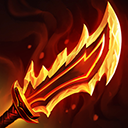




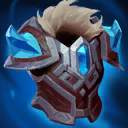
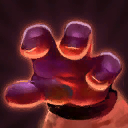
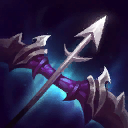

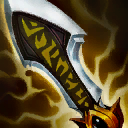
For optimal Kindred itemization in this N.O.V.A./Brawler/Marauder comp, prioritize equipping Kindred with Guinsoo's Rageblade, Giant Slayer, Kraken's Fury. Secondary item holders include Jax (Crownguard, Gargoyle Stoneplate, Gargoyle Stoneplate); Akali (Deathblade, Hextech Gunblade, Striker's Flail); Morgana (Adaptive Helm, Protector's Vow, Gargoyle Stoneplate); Maokai (Thief's Gloves); Caitlyn (Guinsoo's Rageblade, Last Whisper, Kraken's Fury); Aatrox (Gargoyle Stoneplate, Gargoyle Stoneplate, Spirit Visage); Urgot (Deathblade, Infinity Edge, Quicksilver). Focus on collecting the right components during carousel rounds and PvE stages to complete these Best in Slot (BiS) items for maximum damage output and survivability.
PriorityTop Components to Look for on Carousel

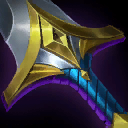
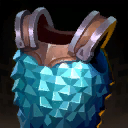
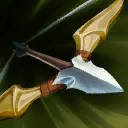
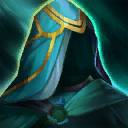
When playing this Kindred N.O.V.A./Brawler/Marauder comp, prioritize Negatron Cloak, B.F. Sword, Chain Vest, Recurve Bow during carousel rounds and PvE stages. Negatron Cloak is the most valuable component, appearing in 9 of the core items for this composition. Early carousel priority should focus on these key components to ensure you can complete your carry items by mid-game. If contested, look for completed items or flexible components that can pivot into multiple BiS options.
Pivot Suggestions
When playing Kindred in TFT Set 17, the N.O.V.A./Brawler/Marauder composition with a 76.2% win rate is often the strongest choice. However, in competitive lobbies, other players may contest key units, making it difficult to 2-star your carries. Knowing when and how to pivot to alternative Kindred team comps is essential for maintaining a top 4 placement. Below are the best pivot compositions that share core units with the optimal Kindred build, allowing for a smooth transition without sacrificing too much board strength.
Pivot Option 1: Challenger/N.O.V.A./Marauder


This Challenger/N.O.V.A./Marauder composition shares 50% of its units with the best Kindred comp, achieving a 50.9% win rate. You'll need to sell Caitlyn, Maokai, Morgana, Urgot from your board and replace them with Bel'Veth, Diana, Jinx, Miss Fortune. Consider this pivot early (Stage 3) before fully committing to the contested build. This flexibility makes it an excellent backup plan when Kindred's primary composition is heavily contested in your lobby.
When to Pivot Your Kindred TFT Comp
Recognizing when to pivot is just as important as knowing what to pivot to. Scout your lobby early and often - if you see 2 or more players building the same Kindred composition, consider transitioning to one of these alternative builds. The best time to pivot is typically during Stage 3-4, before you've fully committed your gold and items to the contested build. Remember that a completed pivot comp with 2-star units will almost always outperform a contested comp stuck at 1-star. Use these Kindred pivot strategies to adapt to your lobby and secure consistent top 4 finishes in TFT Set 17.
Get the Winning Edge
Real-time overlays, automatic match tracking, and exclusive tools — everything you need to climb, free on your PC.
- In-game overlays
- Automatic match tracking
- Desktop-exclusive tools
Help us maintain accuracy! If you notice incorrect stats, missing data, or any issues, your feedback directly improves the quality of our data for the entire community.
Kindred Set 17 Comps - Frequently Asked Questions
What is the highest win rate Kindred team comp?
The highest win rate Kindred team comp features Aatrox, Akali, Caitlyn, Kindred, Maokai, Milio, Pantheon, Riven, and Shen with a 81.75% win rate. This comp utilizes the N.O.V.A., Fateweaver, Brawler, Bastion, Bulwark, and Timebreaker traits and is picked 0.06% of the time.
Which Kindred team comp is most popular?
The most popular Kindred team comp uses Akali, Bel'Veth, Briar, Jinx, Kindred, Maokai, Rek'Sai, and Rhaast with a pick rate of 1.06%. This composition features the Challenger, N.O.V.A., Brawler, Marauder, Primordian, and Redeemer traits and has a 69.84% win rate.
Which Kindred TFT team comp has the highest first place rate?
The Kindred comp with the highest first place rate includes Aatrox, Akali, Caitlyn, Kindred, Maokai, Milio, Pantheon, Riven, and Shen and achieves first place 36.39% of the time. This comp uses the N.O.V.A., Fateweaver, Brawler, Bastion, Bulwark, and Timebreaker traits and has a 81.75% overall win rate.
Which Kindred comp has the best average placement?
The Kindred comp with the best average placement features Aatrox, Akali, Caitlyn, Kindred, Maokai, Milio, Pantheon, Riven, and Shen with an average placement of 0.00. This team comp utilizes the N.O.V.A., Fateweaver, Brawler, Bastion, Bulwark, and Timebreaker traits and maintains a 81.75% win rate.
What are the most common TFT traits used in Kindred TFT comps?
The most common traits found in Kindred comps are N.O.V.A., Brawler, Marauder, Bastion, and Challenger. These traits appear frequently across top-performing Kindred team compositions and provide strong synergies with Kindred's abilities and playstyle.