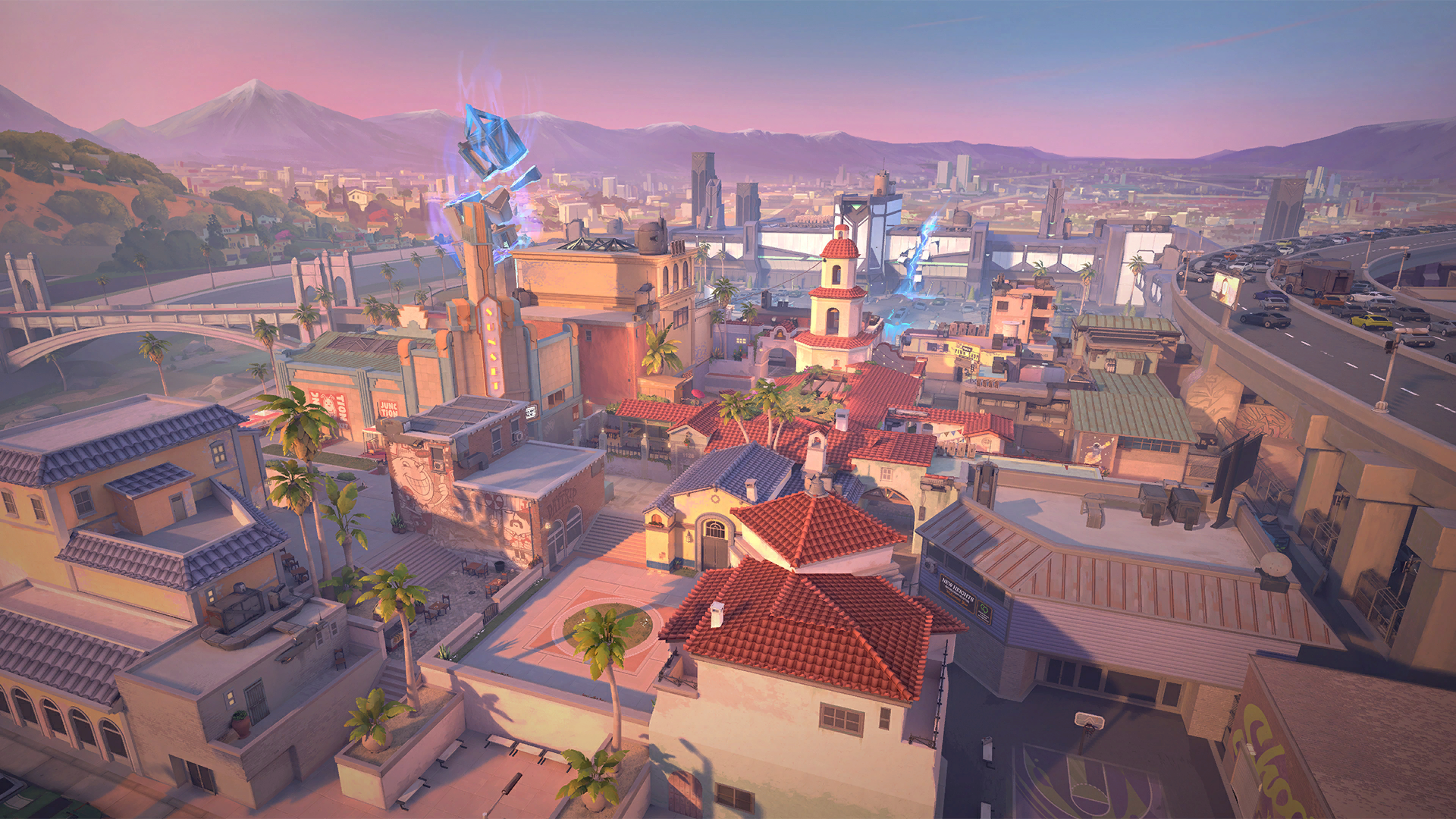
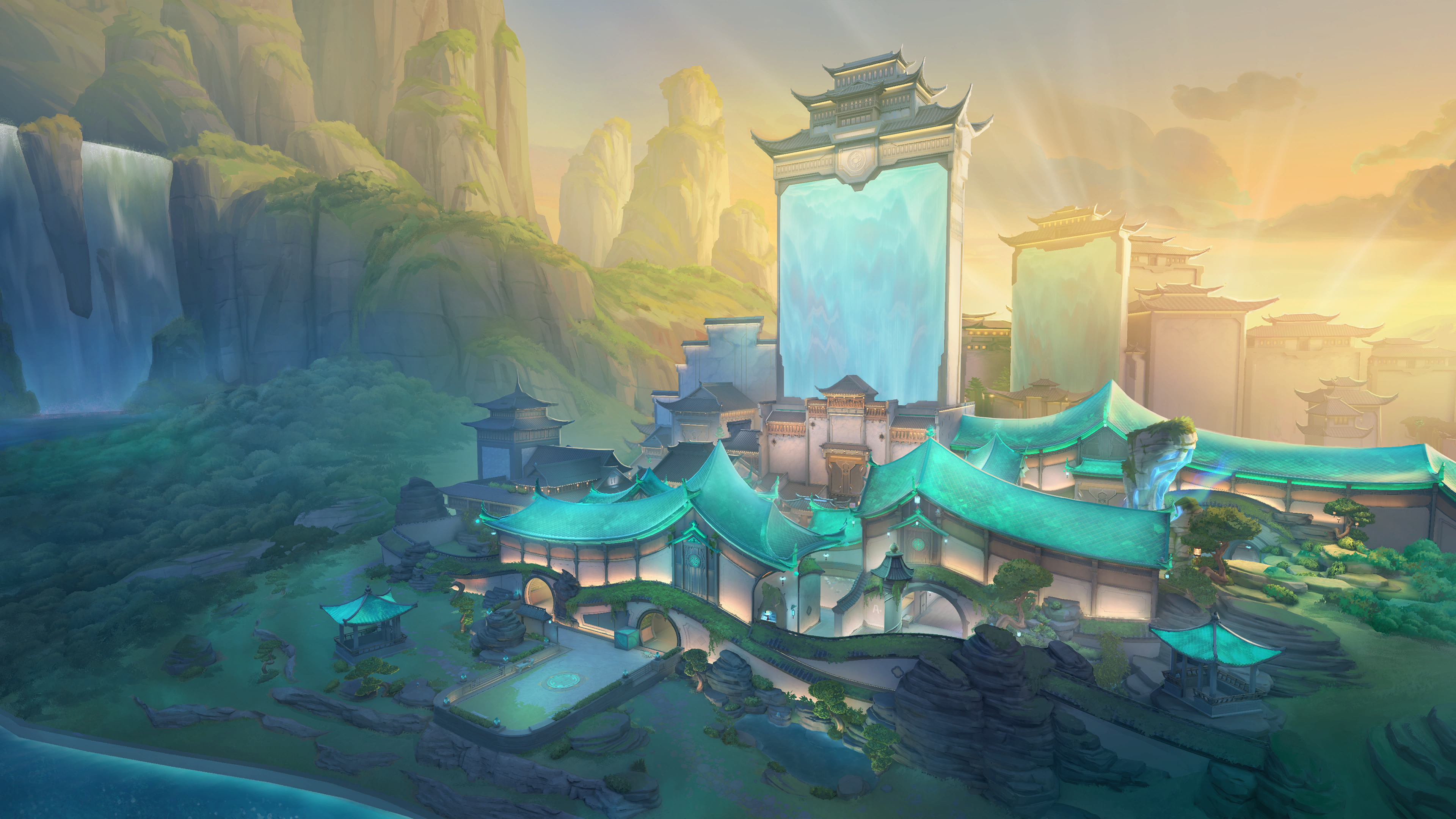
FractureOverview
Master Fracture with our comprehensive guide. This defense-sided map features a 48.5% attack win rate and 51.4% defense win rate based on 4,562 competitive matches. Learn strategies, callouts, and optimal agent compositions.
Fracture Map Rating
Fracture is a D-tier map in Valorant's current meta, seeing limited play with only a 2.0% play rate. The map shows significant imbalance between attack (48.5%) and defense (51.4%) sides. Despite its lower popularity, dedicated players who master Fracture can leverage opponents' unfamiliarity for competitive advantage.
Fracture Detailed Statistics
Fracture is a defense-sided map in Valorant, with defenders winning 51.4% of rounds compared to 48.5% for attackers—a 2.9% defensive advantage. Based on 4,562 competitive matches analyzed, this map's architecture provides defenders with strong positional advantages, tight chokepoints, and excellent utility spots that make site takes challenging for attackers. Teams winning the defensive pistol round can snowball their economy and build commanding leads. Attackers on Fracture must rely on coordinated executes, effective utility combinations, and patient gameplay to overcome the defensive setup. Consider playing for picks and post-plant situations rather than forcing aggressive site takes.
Fracture rewards players who select the right agents for its unique tactical environment. Our comprehensive analysis of 4,562 competitive matches reveals that Gekko currently dominates this map with an impressive 66.7% win rate, leveraging abilities that synergize perfectly with Fracture's layout and common engagement scenarios. Following closely are Fade at 61.7% and Phoenix at 56.2%, both offering distinct advantages for teams looking to maximize their competitive edge. These agents share the undefined role, indicating Fracture heavily favors this playstyle. The average win rate among these elite picks is 61.5%, significantly outperforming other options. Mastering these agents gives you a statistical advantage before the first round even begins.
Weapon selection on Fracture can make or break your rounds, and our analysis of 4,562 competitive matches identifies the optimal loadouts for this battlefield. The Ares leads all weapons with a commanding 68.4% win rate, capitalizing on Fracture's characteristic engagement distances and common fight scenarios. The Shorty follows at 66.7% win rate, offering a strong alternative based on your playstyle and economy. Rounding out the top three, the Odin achieves 61.5%, proving effective in this map's tactical environment. The classic Vandal vs Phantom debate tips toward the Phantom on this map, reflecting Fracture's tighter angles where spray control excels. These top weapons average 65.5% win rate, demonstrating that smart loadout decisions provide measurable competitive advantages. Understanding which weapons excel on Fracture helps you maximize credit efficiency and win more gunfights.
Strategic Guide for Fracture
Attack Strategy
Attacking on Fracture requires careful planning due to the 51.4% defender win rate. Counter the defensive advantage by investing in utility for site takes. Use fakes and lurks to pull defenders out of position. Patience is key - wait for picks or utility advantages before committing to sites. Consider playing for post-plant situations where defenders must retake. For maximum success, pair your strategy with top-performing agents like Gekko or Fade.
Defense Strategy
Defenders hold the advantage on Fracture with a 51.4% win rate. Establish strong anchor positions on both sites and use utility to delay pushes. Communication is essential for successful rotations. Play for information with sentinel utility and be ready to stack sites based on attacker tendencies. Aggressive plays can catch attackers off-guard but should be used sparingly.
Economy Tips
On Fracture, economy management should account for the defense-sided nature. Defenders can leverage their advantage with consistent buys. Attackers may need to invest more in utility, so manage credits carefully and coordinate team buys. The Ares and Shorty offer the best value for full buy rounds on this map.
How Fracture Compares to Other Maps
Understanding how Fracture compares to other Valorant maps helps you adapt your strategies and agent picks when transitioning between different battlegrounds.
Help us maintain accuracy! If you notice incorrect stats, missing data, or any issues, your feedback directly improves the quality of our data for the entire community.
Frequently Asked Questions
Is Fracture attack or defense sided in Valorant?
Fracture is defense-sided with a 48.5% attack win rate. Defenders have the advantage here, so focus on solid retake strategies on attack and lock down sites on defense.
What is Fracture's play rate in competitive Valorant?
Fracture has a 2.0% play rate in competitive Valorant, ranking #8 among all 21 maps in the current rotation. This data is based on 4,562 competitive matches analyzed across all ranks and regions.
How many rounds does a typical Fracture match last?
The average Fracture match lasts 21.3 rounds, taking approximately 32 minutes to complete. This average accounts for both dominant victories and close overtime games.
What are the best agents for Fracture?
The top performing agents on Fracture are Gekko (66.7%), Fade (61.7%), Phoenix (56.2%). These agents excel on this map due to their abilities complementing Fracture's unique layout and engagement distances.
What makes Fracture unique in Valorant?
Fracture features a distinctive layout that requires specific strategies. With a 48.5% attack win rate and 2.0% play rate, mastering this map's unique callouts, angles, and rotation timings is key to consistent success.
How do I improve on Fracture?
To improve on Fracture: 1) Learn the Gekko, Fade, Phoenix agents who excel here, 2) Study attack vs defense strategies for the 48.5% attack win rate meta, 3) Practice common angles and rotations, 4) Watch pro play for advanced strategies.