
How to Breed Swee #35
- Combos
- 142
- Breed rank
- 2840
- Author
- Dakota Chinnick
- Methodology
- Data Methodology
142 parent pairs produce Swee. The cheapest combinations are listed first, so you can breed one with Pals you already own.
All 142 Ways to Breed Swee
Every one of the 142 pairs below hatches Swee. Combined rarity is shown so you can pick the pair that is easiest to catch.
Parent A | Parent B | Combined rarity | Type |
|---|---|---|---|
| 7 | 0 | ||
| 7 | 0 | ||
| 7 | 0 | ||
| 7 | 0 | ||
| 7 | 0 | ||
| 7 | 0 | ||
| 8 | 0 | ||
| 8 | 0 | ||
| 9 | 0 | ||
| 9 | 0 | ||
| 9 | 0 | ||
| 9 | 0 | ||
| 9 | 0 | ||
| 9 | 0 | ||
| 9 | 0 | ||
| 9 | 0 | ||
| 9 | 0 | ||
| 9 | 0 | ||
| 10 | 0 | ||
| 10 | 0 | ||
| 10 | 0 | ||
| 12 | 0 |













Breed Swee in the fewest steps
The Breeding Lab in MetaBot Desktop pairs any two Pals, reverse-looks-up every way to breed a target, and plans the full path from the Pals you already own.
- Pair parents or reverse lookup
- Path planner from Pals you own
- Skips Pals you already have

What You Can Breed From Swee
Use Swee as a parent to reach these Pals — handy when you are breeding toward something rarer.


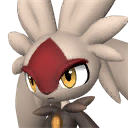


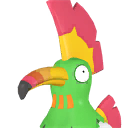


Swee can be bred from 142 different parent pairs in Palworld. The cheapest pair is Daedream + Cattiva, which needs the two lowest-rarity parents of any combination. Swee has no unique combination, so every pair follows the standard breed-rank formula. Swee has a breed rank of 2840, which decides where it lands in the formula. Breeding Swee with other Pals leads on to 18 further species.
Similar Breeding Targets


Help us maintain accuracy! If you notice incorrect stats, missing data, or any issues, your feedback directly improves the quality of our data for the entire community.
Swee Breeding FAQ
How do you breed Swee in Palworld?
Put Daedream and Cattiva in a Breeding Farm with a Cake to hatch Swee. 142 other parent pairs also work.
How many combinations produce Swee?
142 distinct parent pairs produce Swee.
How does breeding work in Palworld?
Place two Pals of opposite gender in a Breeding Farm with a Cake. The egg that appears is decided by the parents’ breed ranks, unless the pair has a unique combination.